

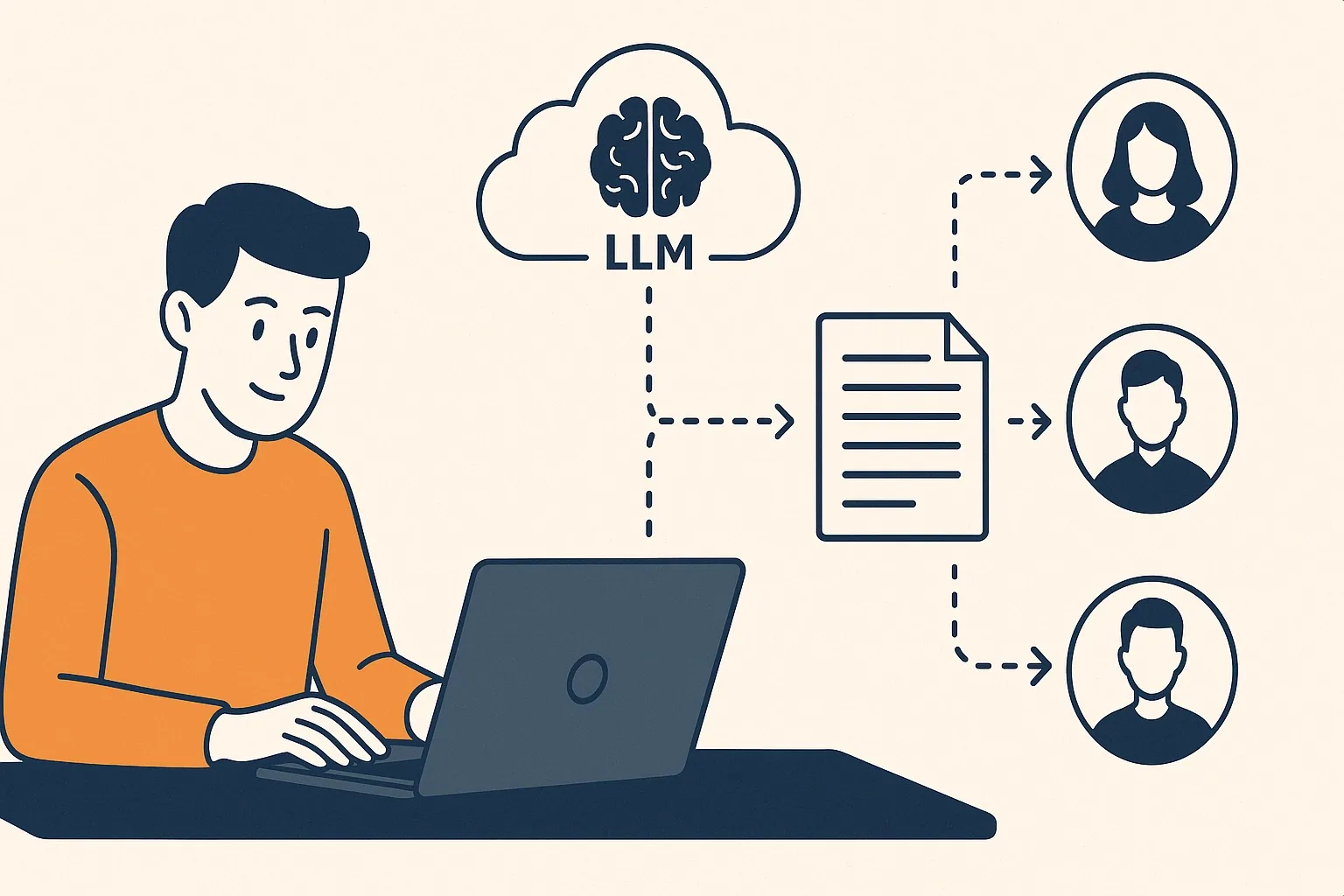

In this first blog of our Agentic AI series, we dive deep into how enterprises can leverage LLM-based text classification to intelligently route content toward the appropriate teams, departments, or autonomous agents. Building upon our foundational exploration (What is Agentic AI? What’s in it for Enterprises?), we now focus on practical strategies that make LLMs effective enterprise classifiers.
Why Traditional Methods Fall Short
Conventional routing mechanisms, such as keyword matching or static rule engines often fail to
- Handle ambiguous or evolving language patterns
- Scale efficiently with increasing volumes of data.
- Minimize manual intervention and associated costs.
These methods struggle especially in complex scenarios requiring understanding of context, intent, and nuance.
Leveraging LLMs for Robust Text Classification
Models like GPT-4, Gemini, and Claude offer contextual intelligence and adaptive reasoning. But without structured workflows, their outputs can become verbose, inconsistent, or even irrelevant.
To fully realize their potential, enterprises must combine structured design, validation pipelines, and advanced orchestration frameworks.
Key Techniques for Successful LLM-based Classification
1. Structured Prompting
Clearly instruct LLMs on expected outputs:
"Classify the following user intent into one of these categories: Planning, Activity Selection, Workflow Generation, Workflow Modification. Only respond with the category label."
This clarity helps ensure concise and relevant responses.
2. Few-Shot Examples
Provide the model with concrete examples:
Text: "I want to create a new workflow to handle customer onboarding."
Classification: Workflow Generation
Text: "Can you add a new step to the existing process?"
Classification: Workflow Modification
3. Output Constraints via Schema
Force structured responses through specific formatting requirements, for example:
Use strict formats, such as a predefined JSON schema:
{"intent": "ActivitySelection"}
To go beyond static formatting, advanced systems can bind tools to LLM outputs using techniques like llm bind tools, which allow each node in a routing graph to enforce schema-bound outputs. These tool bindings not only validate output structure but also trigger the appropriate agents based on the schema matches, ensuring predictable, consistent behavior and enabling seamless integration with downstream systems.
4. Response Validation with Pydantic
Implement robust post-processing to manage unexpected outputs:
Validate model outputs using Pydantic schemas for input and output validation to ensure robustness and predictable structures.
5. Error Handling and Fallback Mechanisms
Ensure resilient systems using a multi-layered approach:
- Identifying Missing or Erroneous Information:
Use output schema validation (e.g., via Pydantic) to detect incomplete or malformed LLM responses. You can also build logic to catch low-confidence classifications or unknown intents (e.g., "Unclassified").
- Requesting Clarification from the User:
When essential information is missing (like intent or key parameters), the system proactively formulates a follow-up prompt to ask the user for the missing details. This turns a static classification step into an interactive loop, improving both accuracy and user engagement.
Understanding User Intent: Practical Examples
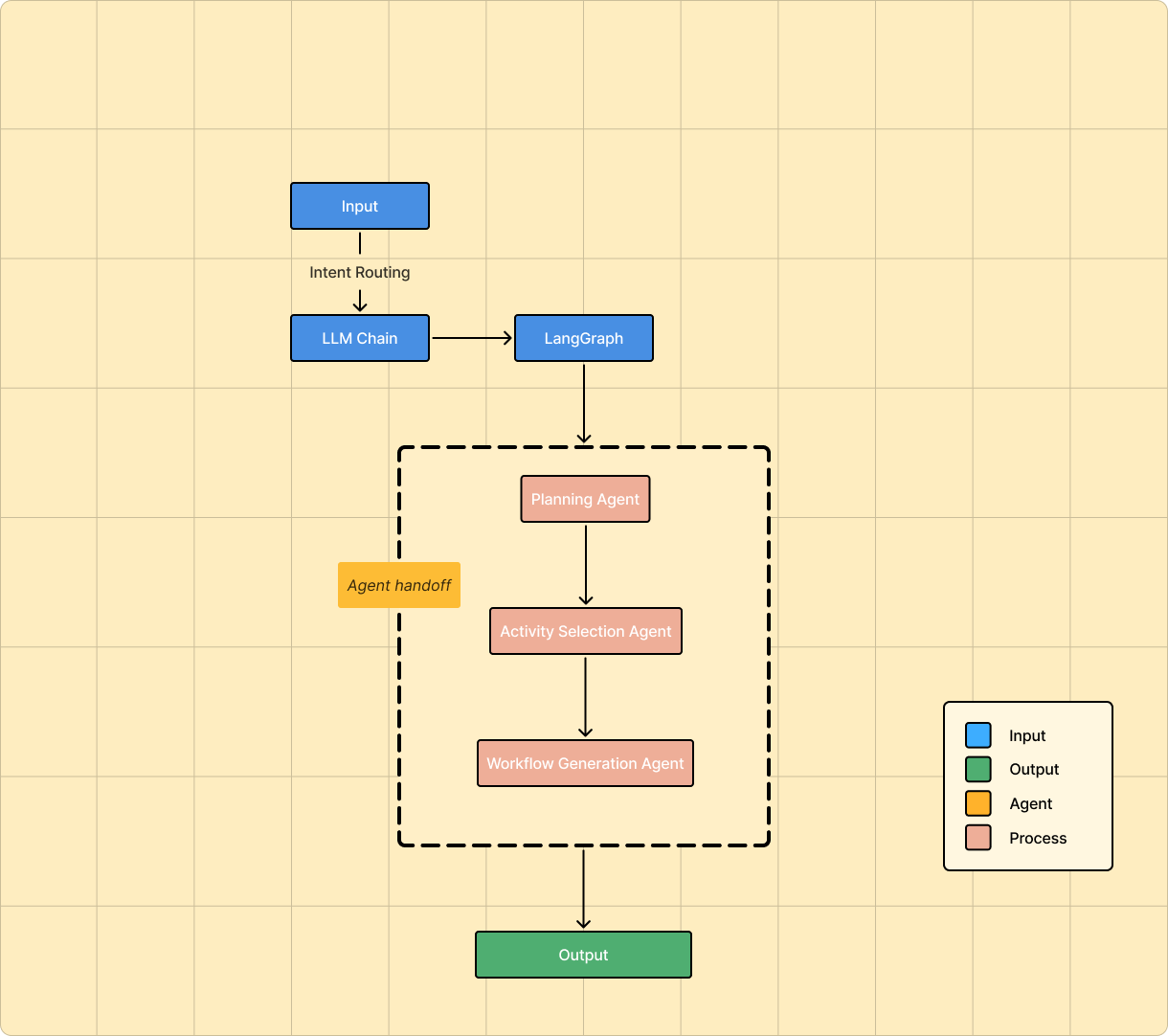
In our Co-pilot (a Gen AI application that has been created for ivoyant's in-house product PlatformNX) System, the incoming user query must be correctly classified to route it to the appropriate agent.
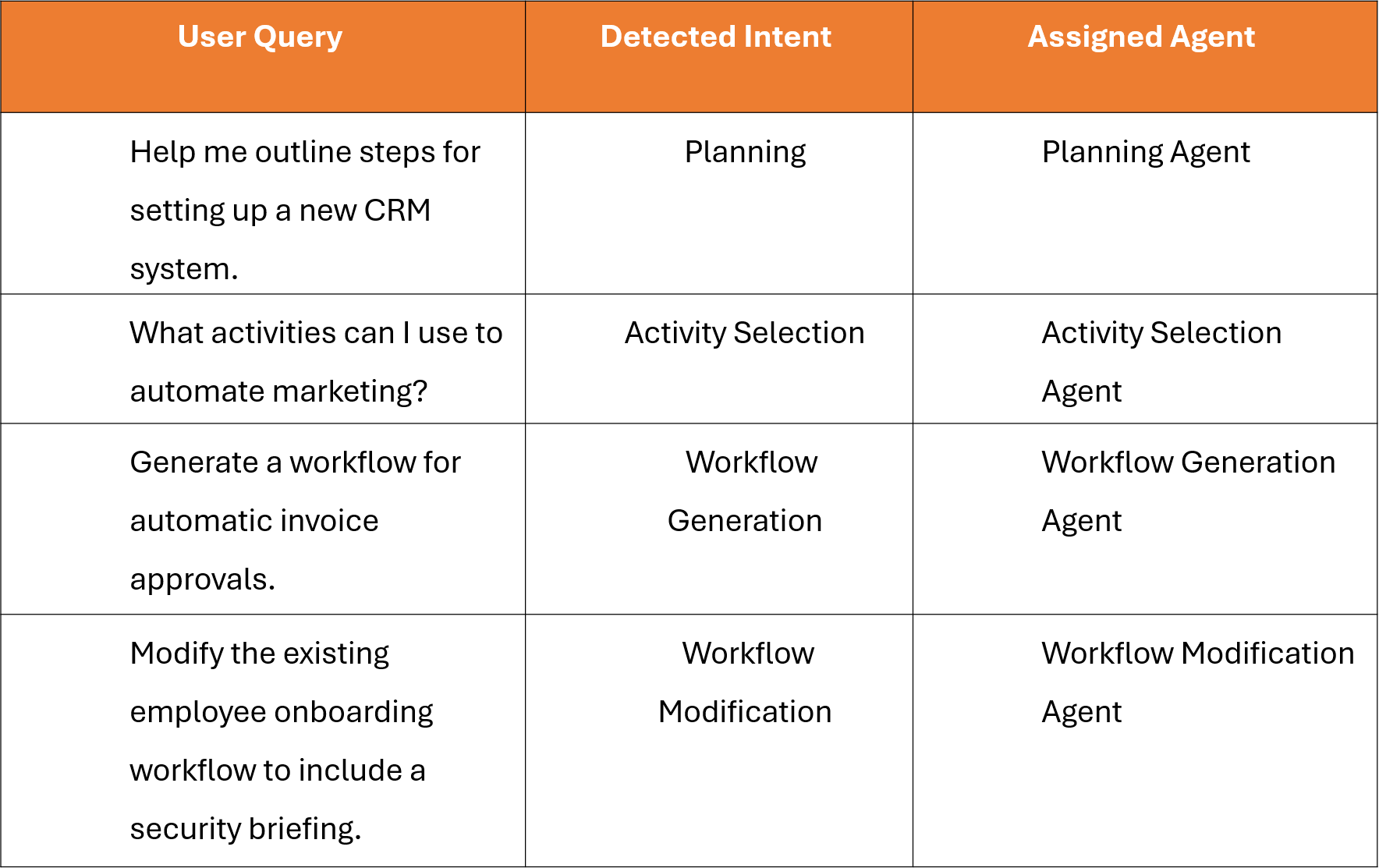
This intent detection is crucial for seamless agent routing in our architecture.
The Role of Specialized Agents
These are the following agents (Co-pilot) that we are using,
1. Planning Agent: Plans the tasks and defines high-level workflows based on user intent.
2. Activity Selection Agent: Helps users identify possible activities or services available for orchestration.
3. Workflow Generation Agent: Builds detailed JSON workflows from planning outputs.
4. Workflow Modification Agent: Alters or updates existing workflows based on new requirements.
Using LLM-based intent classification, each user input is routed automatically to the most appropriate agent, enhancing automation and reducing human decision bottlenecks.
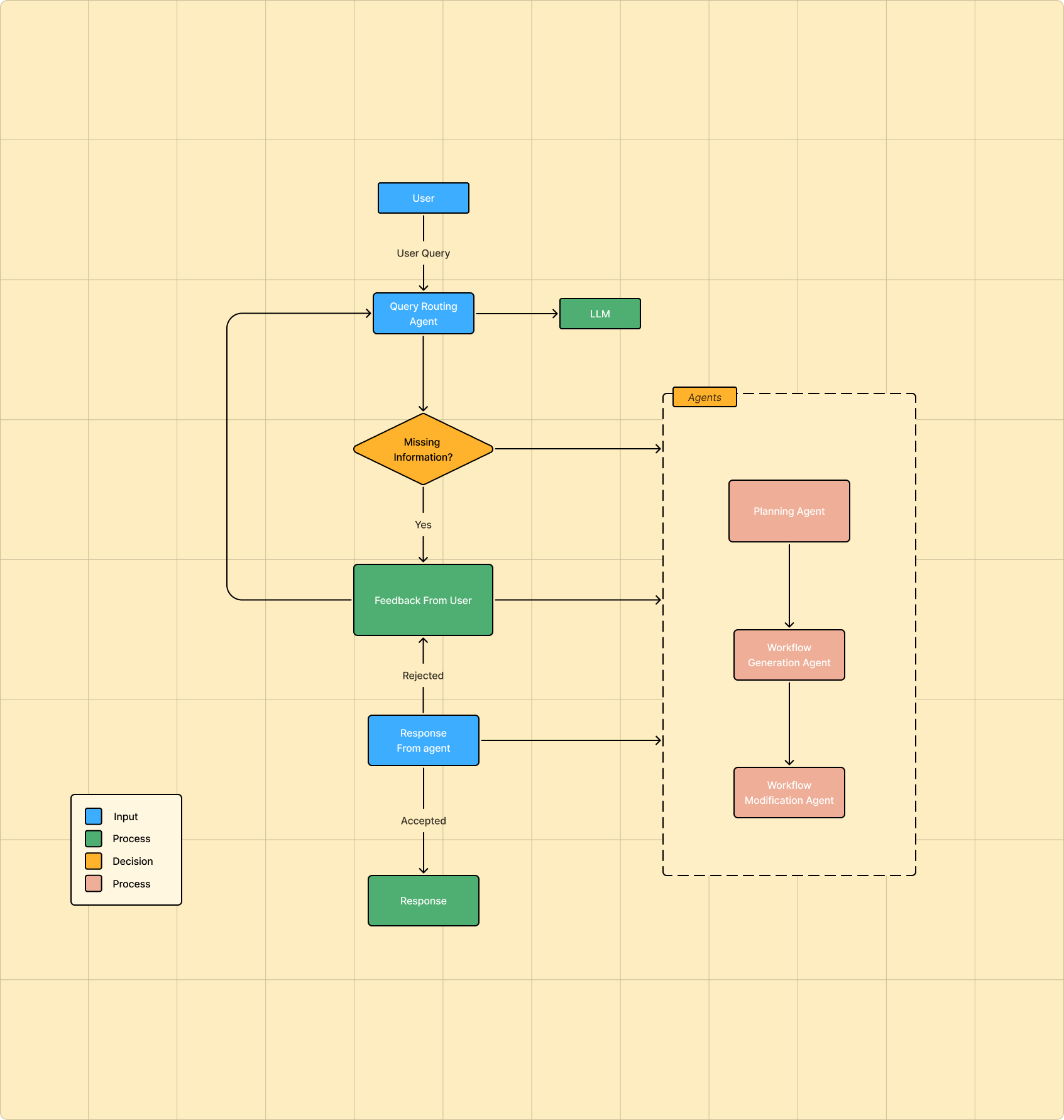
Copilot Agent Routing Architecture
Using Pydantic for Input and Output Schema Validation
Pydantic is used to enforce strict validation of:
1. Incoming user intents.
2. Outgoing workflow structures.
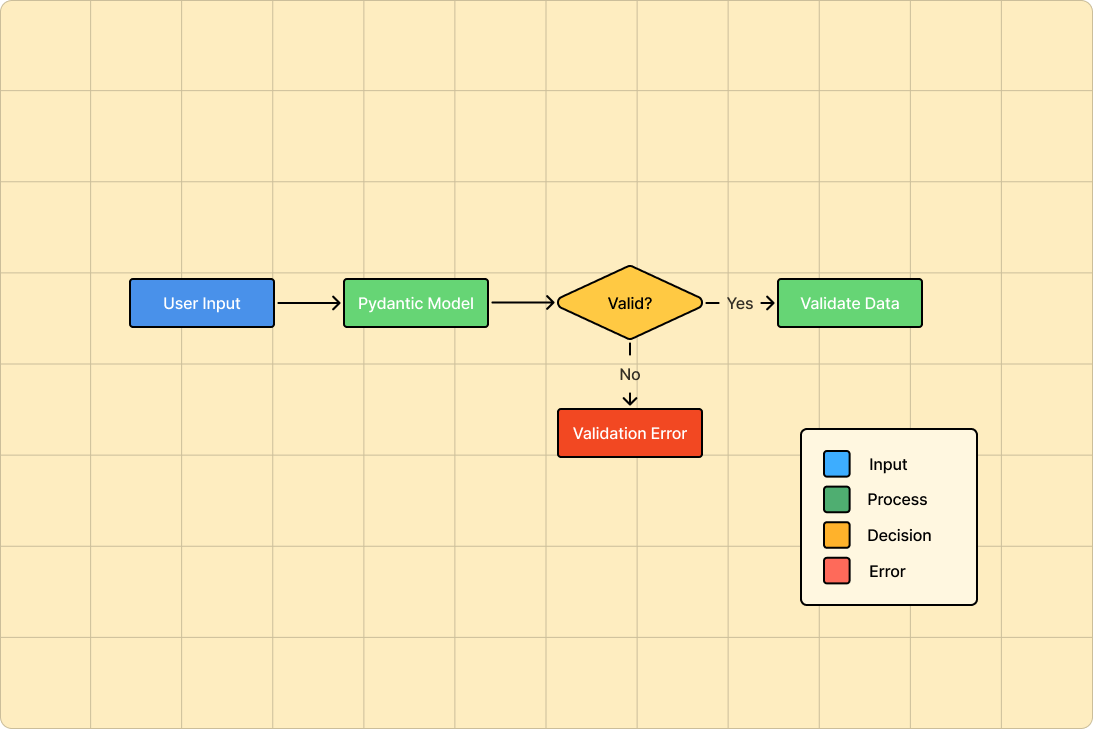
This ensures consistency between model predictions and the requirements of downstream agents.
LangChain LLM Chains: Simplifying Classification
LangChain provides out-of-the-box LLMChain classes, allowing you to,
1. Define prompt templates.
2. Set input and output schemas.
3. Chain multiple LLM calls with structured intermediate outputs.
This eliminates the need for custom classification frameworks from scratch and ensures rapid deployment.
LangGraph: Advanced Routing Architecture
As the system grows, LangGraph becomes essential.
LangGraph allows,
- Graph-based orchestration of agents.
- Dynamic routing based on intent, context, or prior actions.
- Conditional flows where output of one agent determine the next action.
In our case, the intent classification node (via LLM) leads into different agent nodes depending on predicted intent.
Thus, LangGraph provides scalable, dynamic, and adaptive orchestration beyond simple sequential chains.
The Enterprise Value of LLM-Based Intelligent Routing
Integrating LLMs, LangChain, Pydantic, and LangGraph delivers:
1. Higher classification accuracy.
2. Automated and scalable routing.
3. Reduced human intervention and errors.
4. Personalized and dynamic enterprise workflows.
5. Future-ready architecture that adapts as enterprise needs evolve
Conclusion
LLMs are more than text generators - they are becoming core engines of intelligent decision routing in modern enterprises.
By combining structured classification strategies, Pydantic validation, LangChain orchestration, and LangGraph dynamic routing, organizations can transform traditional workflows into adaptive, agentic ecosystems, unlocking new levels of automation, efficiency, and scalability.
Stay tuned for our next blog, where we’ll explore Prompt-Based Routing to further enhance agent selection precision in enterprise workflows.